Well, we still don’t know if P=NP, but certain people who ought to know are a little bit more sure today, now that a couple thousand AI bots have been cranking through the way they crank. While 1000 flowers are being peeled out of the forgotten bookpages that some enterprising treasure hunters have pressed into digital form, obscure mathematical conjectures are blooming slowly. I remain impressed that the scientific edge of the actual engineering is doing in these arcane veins, it’s quite a few years yet until the Tang moment — the moment when red blooded American kids get to drink in the commercial products previously consumed by a select few heroic astronauts on the NASA payroll. In otherwords, elites are still figuring out how to commercialize their massive investments.
We should keep in mind that America’s dietary needs were nowhere near fulfilled from the byproducts of the Space Age. Still we find ourselves entertained by the fictional fact that Matt Damon managed to grow potatoes on Mars more than 50 years after the Apollo program died. Swanson did OK for a few years with space age TV dinners on pressed aluminum trays, but it was still just mashed potatoes and gravy. So we should continue to keep in mind what extra promises are being made and yet to be fulfilled. Automatic systematic remote control, fix everything with a pill. Obama said we could keep our doctors. I hate to be cynical, but I enjoy listening to The Nightfly with an ironic twist.
The Rubber Hits the Road
People don’t seem to understand that we don’t need a million programmers. We created GPS with old slow chips designed in the 80s, and the billions in play these days are leveraging economics that we think we know but actually don’t. A few brilliant economists understand and a few brilliant computer scientists understand but even with Principia Mathematica at our fingertips, we can’t ingest quite enough wisdom to build our own houses. Even with Shakespeare and Matisse only a click away, we’re still not getting it. When we get tired of buying the schlocky advertisements from OpenAI and Anthropic a lot of speculative dreams and their financial vehicles will go up in smoke. But we’ll still care about the price of bread, and we’ll still hate cleaning the toilet.

So why do we get caught up in these questions of intellect? Why do we believe that brains make a difference? Well, because they do. But as the author of The Martian and more recently Project Hail Mary reminds us, we only have to be marginally smarter than the next competitive species. After all, there is only one Homo species remaining, and we still occasionally get massacred by viruses and hippos.
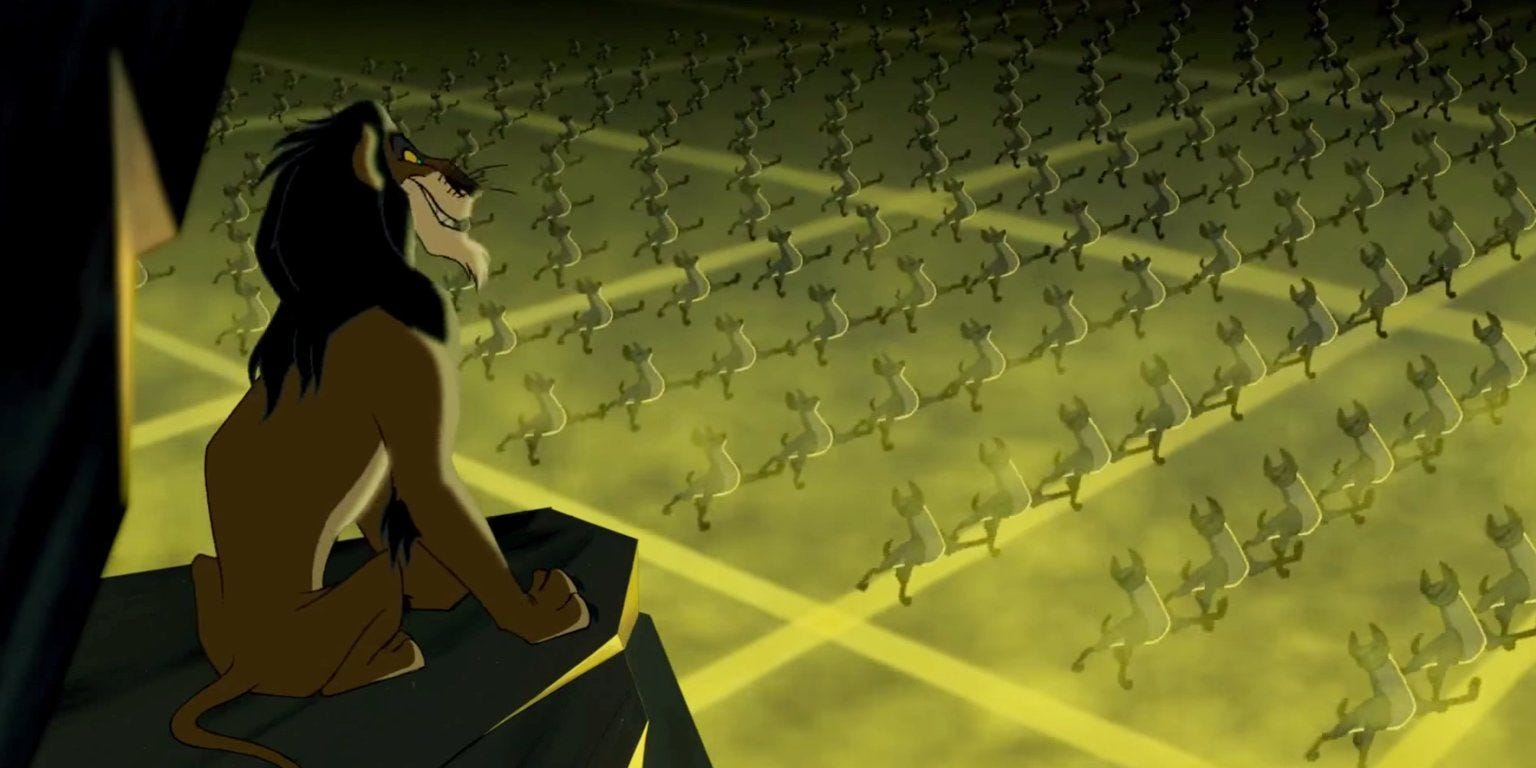
I was thinking this morning about the devastation that a swarm of locusts can create. They have tiny brains, but quantity has its own unique quality. So some fraction of the doomer scenarios make sense. Who knows what even relatively uneducated machines and people can do if we let them run wild without any hard red lines? I think what it may take is some kind of financial disaster that blindsides hypesters. The simplicity has left the building.
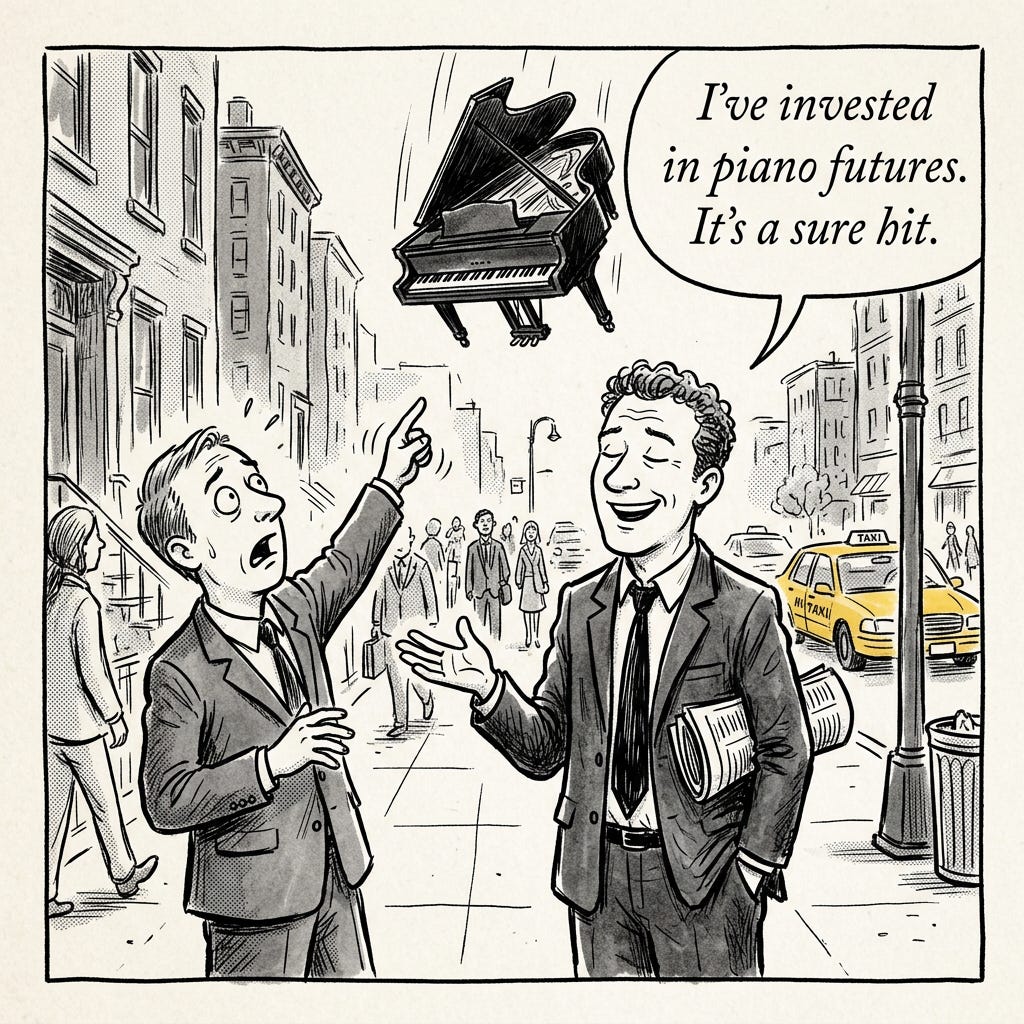
There’sa different kind of intellectual and cultural management form that we’re going to have to adopt. It’s going to be different in scope and in kind. The network multipliers have only just begun to manifest themselves in our society. The cell phone revolution was something of the first step. The data revolution is catching up. We already know what kind of films of the 1970s look ridiculous given what we have to locate and communicate with each other (and chip our pets). Wait until assisted literacy increases. A lot of old wives tales are going to die on the vine, and with it some of the reasonable culture that supported them.
So a new kind of moderation is necessary in which the fetish for intelligence, similar to the fetish for wealth and for power needs a new kind of strategic management to make things work at human cultural scale and pace. We have to be tempered, heated up then quenched and tested along the way so that we remain durable as societies.
Lindy Effect Recipies
I am apt to fall back on the idea that certain things last and are handed down because they have proven themselves anti-fragile. There’s a certain amount of anti-fragility engineered into Bitcoin, for example. It frays at the edges when people take shortcuts, like using PHP instead of compiled code, but that’s something of an inside joke among us IT folks. The point is that nobody hacked Bitcoin because it was designed to survive by building the only consensus that mattered around mathematical facts. But those are forward looking strengths. We also need forward looking defenses, not just the satisfaction that pizza has been a great idea for centuries.
I have come to the conclusion more or less this year, that some Hobbesian thinking needs to keep us in mind about that third form of ultimate motivation. There’s glory. There’s self-interest. There is fear. It is the fearless speculation about the benefits and economies of AI that reveal our fetish for intellect.
The other thought I have entertained is with regard to genius. Indeed, I reckon with the fact that I’m smarter than the average bear. The social implications are interestingly manifest. Smart, successful people can often be the sharpest tool in the shed, but America has some awfully big sheds. If you’re in the top 95% of intellects in America, there are 16 million as smart as you, and in that bandwidth there are certainly geniuses among geniuses. I learn this humility all of the time. I fear my own complacency. So should all of us mortals.
So I’m not only looking to the past for goodies to preserve and conserve, but catastrophes that are themselves often enough, the only guardrails we get. Sorry Locke, but some people are brutish and short.
Subterfuge
The greatest trick of the Devil was convincing people that he didn’t exist. The greatest intellectual trick is exactly that kind of devilish deception. This is what state intelligence agencies do. It is our attention to those human survival instincts that we insinuate in evil robots, that keep us alive always hedging our bets and ready to reneg on our promises. This too is a very human and smart thing to do. When we forget this, we become overly dependent in our expectations of the decency and principled character of our neighbors. We all need to be a little bit suspicious.
Back in the day Cobb’s Rule #7 read: “Never trust anyone whose shoes cost more than your whole day’s pay.” Well, trust but verify.
What we need to be on the alert for are the bots who will pretend to be our friends, ever pestering us with consumerist seductions. My recommendation is get to know your doctor and network with the smartest, soundest people you know. A lot of strange new things are coming at American consumers and investors. Some of them will be as old as Judas. Be prepared.